How to Visit Indian Forts with Context, Not Just a Camera
A cultural traveller's framework for reading gates, water systems, temples, bastions, and memory at Indian forts.
A cultural traveller's framework for reading gates, water systems, temples, bastions, and memory at Indian forts.
What should you look for at an Indian fort?
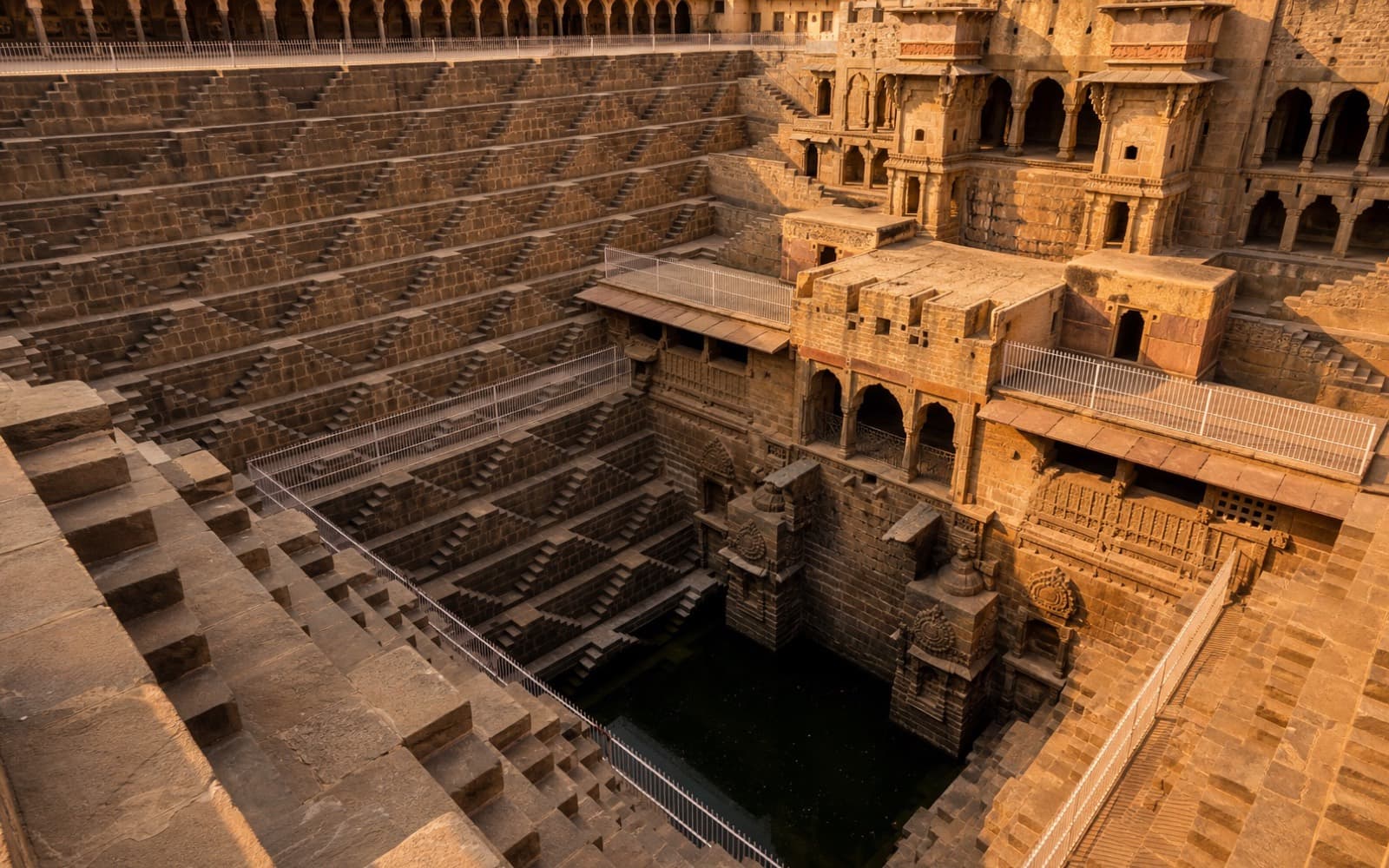
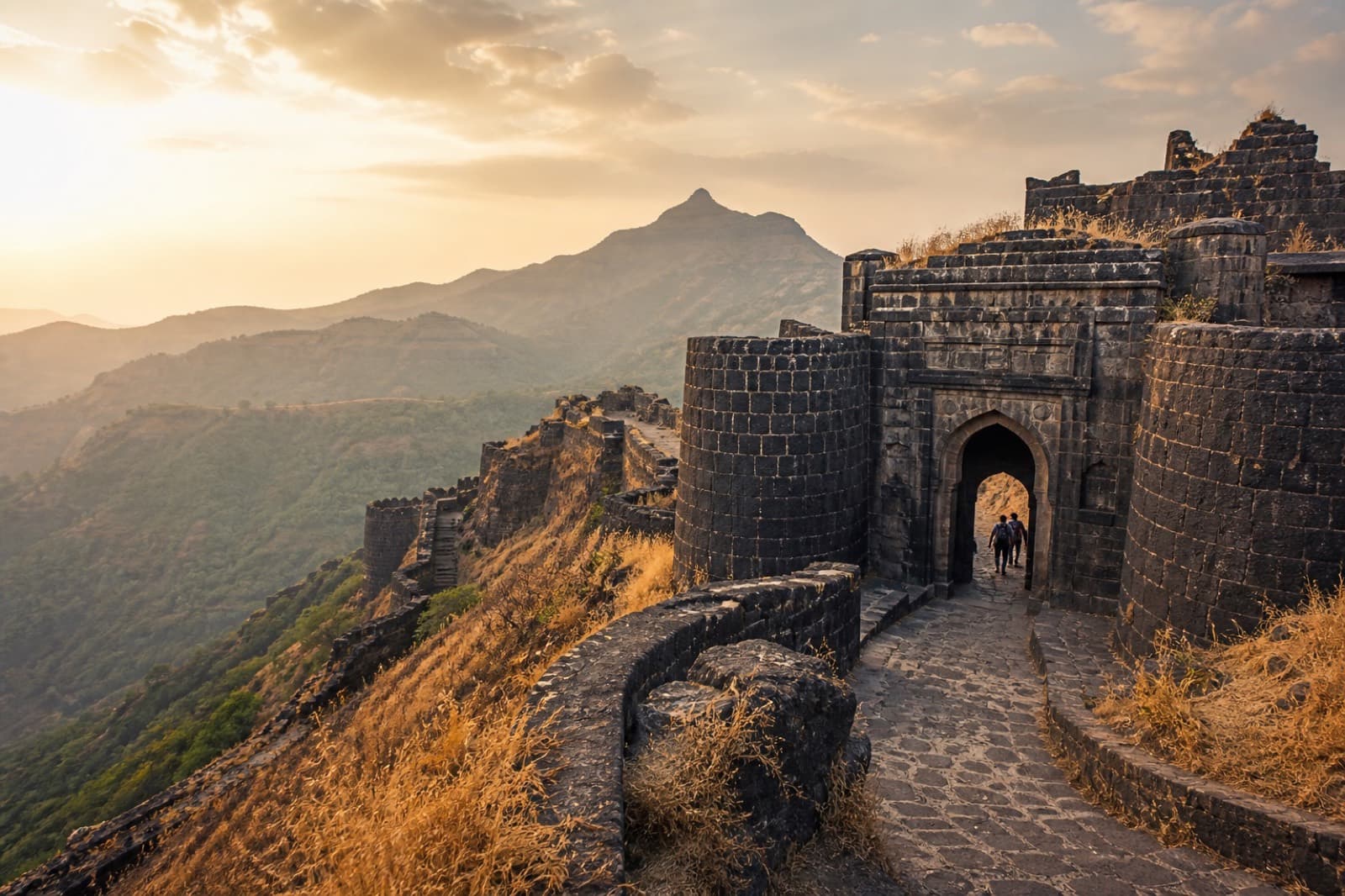
A fort is a system before it is a viewpoint. Notice where water was stored, how gates turn, where guards could see approaching routes, and how temples, granaries, and settlements relate to defence.
This approach makes even a crowded tourist fort more meaningful because the walk becomes a way of understanding power, geography, labour, and survival.
Questions to carry
Who controlled this route? Where did water come from? What stories are official, and what stories survive in local memory? Which parts are restored, and which parts are still vulnerable?
A Soul Sanchari fort article should end with practical respect: no littering, no loud music, no carving names, no risky edges, and no treating living shrines as photo props.
Common questions
Frequently asked questions
What should you look at in an Indian fort besides the view?
Read the fort as a system: where water was stored, how the gates turn to slow attackers, what the bastions could see, and how temples, granaries, and settlements relate to defence. Those details explain why the fort exists at all.
What is good etiquette when visiting Indian forts?
No littering, no loud music, no carving names, no climbing over risky edges, and no treating living shrines inside fort walls as photo props. Many forts are still active places of worship and local memory.
Do I need a guide to appreciate a fort visit?
Not always, but a good local guide adds the stories that plaques leave out — who controlled the route, where the water came from, and what local memory preserves that official histories skip. Budget an hour for one at any major fort.