Spiti Valley Road Trip: A Slow, Safe Guide to the Cold Desert
How to plan the Spiti circuit with the right direction, real acclimatisation, and honest notes on roads, fuel, and altitude.
Open guide index
How to plan the Spiti circuit with the right direction, real acclimatisation, and honest notes on roads, fuel, and altitude.
Direction matters more than you think
Spiti can be driven from the Shimla side or the Manali side, and the direction you choose is really a decision about altitude. Entering through Shimla and Kinnaur means you gain height gradually over several days, which gives your body time to adjust. Coming straight over the Manali–Rohtang–Kunzum road throws you above 4,000 m fast and is a common reason people fall ill on day two.
For a first Spiti trip, the gentle answer is almost always: go up the Kinnaur side, come down the Manali side. You see more, you climb slower, and you finish on the dramatic high passes rather than starting cold and sick.
Acclimatisation is the whole trip, not a delay
Altitude sickness does not care how fit you are. The fix is boring and it works: climb slowly, sleep low when you can, drink far more water than feels normal, skip alcohol, and never ignore a headache that keeps building. If symptoms worsen at rest, the only real treatment is to descend.
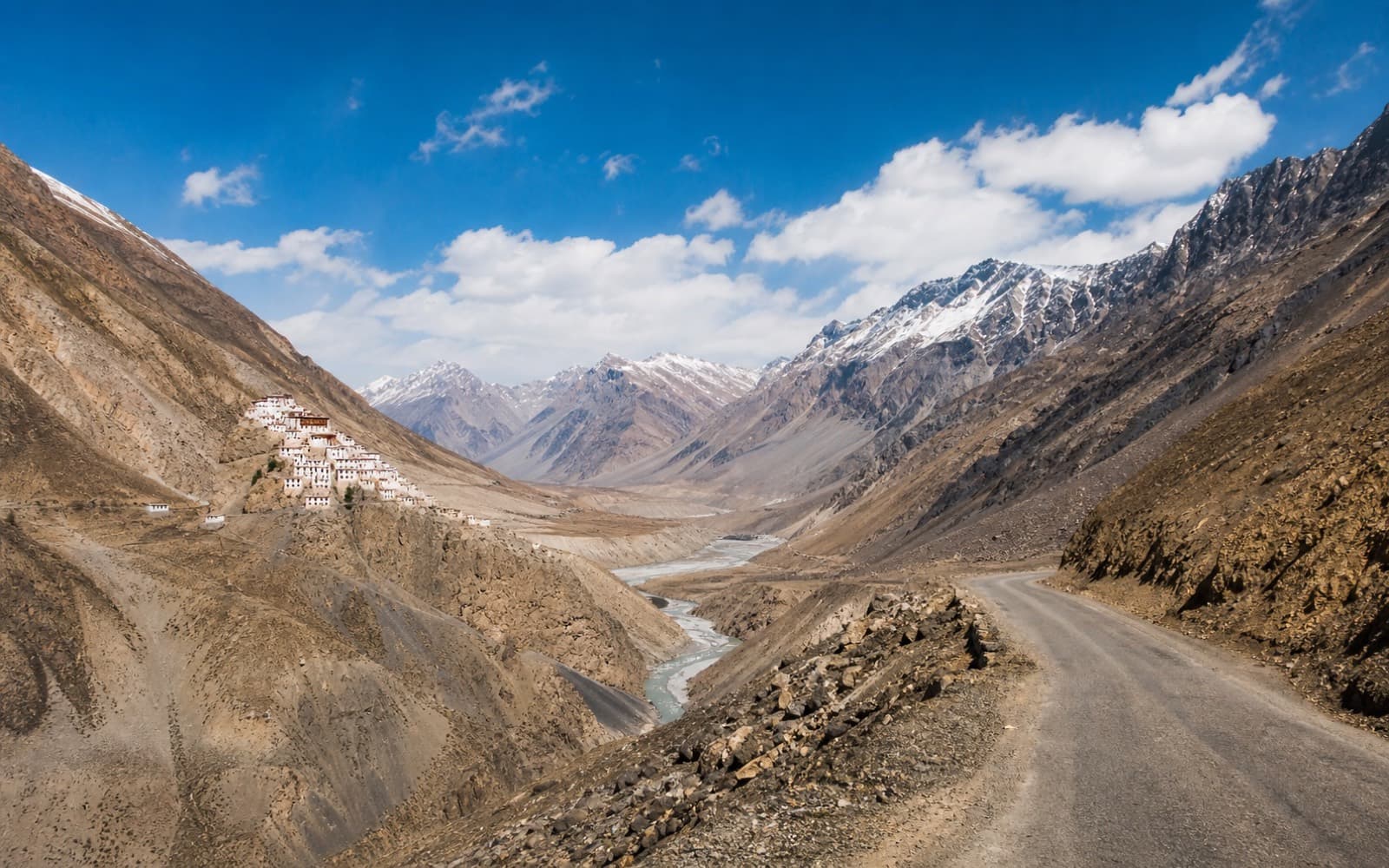
Build a rest day into Kalpa or Kaza rather than treating it as wasted time. The monasteries, the fossil village at Langza, and the Chicham bridge are worth slow days anyway.
Roads, fuel, and the honest risks
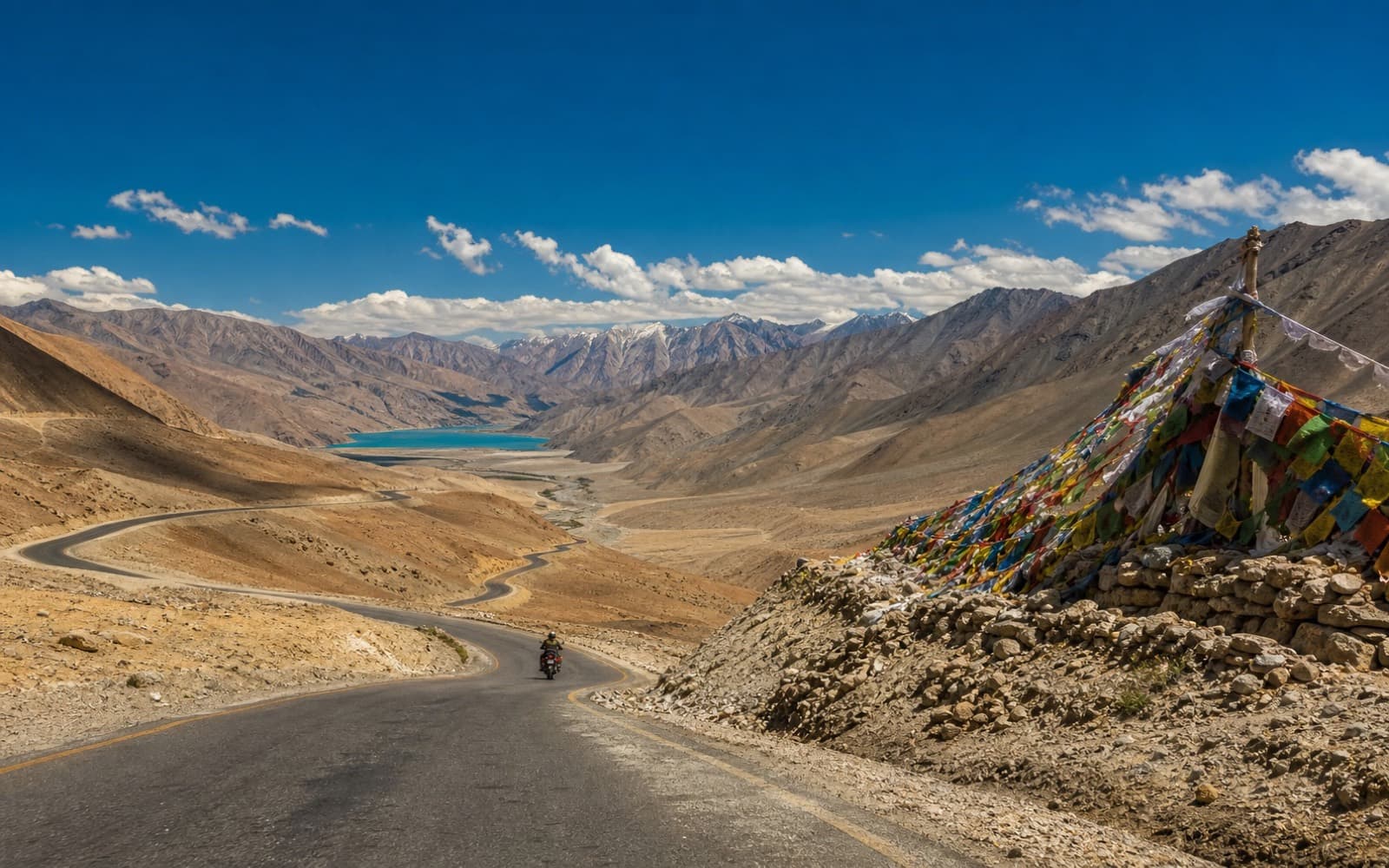
Spiti's roads range from smooth tarmac to broken track, with water crossings that swell through the afternoon as glaciers melt. Cross them early in the day, watch for falling rock on the Kinnaur stretch, and never push to reach a town after dark.
Fuel is the other planning point: the stretch between Kaza and the next reliable pump is long, so top up at every opportunity and carry a little extra. A good Spiti story is one where you turned back from something rather than one where you got lucky.
Interactive route map
Spiti circuit orientation map
Key stops
- - Shimla
- - Kalpa (Kinnaur)
- - Tabo
- - Kaza
- - Key Monastery
- - Kunzum La
Terrain warnings
- - Climb via Shimla side first to acclimatise
- - Carry spare fuel: long gaps between pumps after Kaza
- - Afternoon river crossings run higher — cross early
Common questions
Frequently asked questions
Is Spiti Valley safe for a first-time high-altitude road trip?
Yes, if you acclimatise properly and respect the conditions. Enter via the Shimla–Kinnaur side to gain altitude gradually, build in rest days, carry medication for altitude sickness, and avoid driving after dark. Most problems come from rushing to height, not from the roads themselves.
What is the best time to visit Spiti Valley?
Mid-June to September is the window when the full Manali–Spiti circuit is open and the high passes are clear. The Shimla side stays accessible for longer on either end of the season. Winter Spiti is possible but only for very experienced, well-equipped travellers.
How many days do you need for the Spiti circuit?
Plan 8 to 10 days for the full loop with proper acclimatisation. You can do a shorter Shimla-side-only trip in about 6 days, but rushing the circuit in less time is the main cause of altitude illness.
Car or motorcycle for Spiti?
Both work. A high-clearance SUV is more forgiving for families and luggage; a well-prepared motorcycle is more immersive for experienced riders. Either way, carry spare fuel, basic spares, and tow/recovery awareness for the rough sections.