Beaches, heritage and coastal roads
Goa
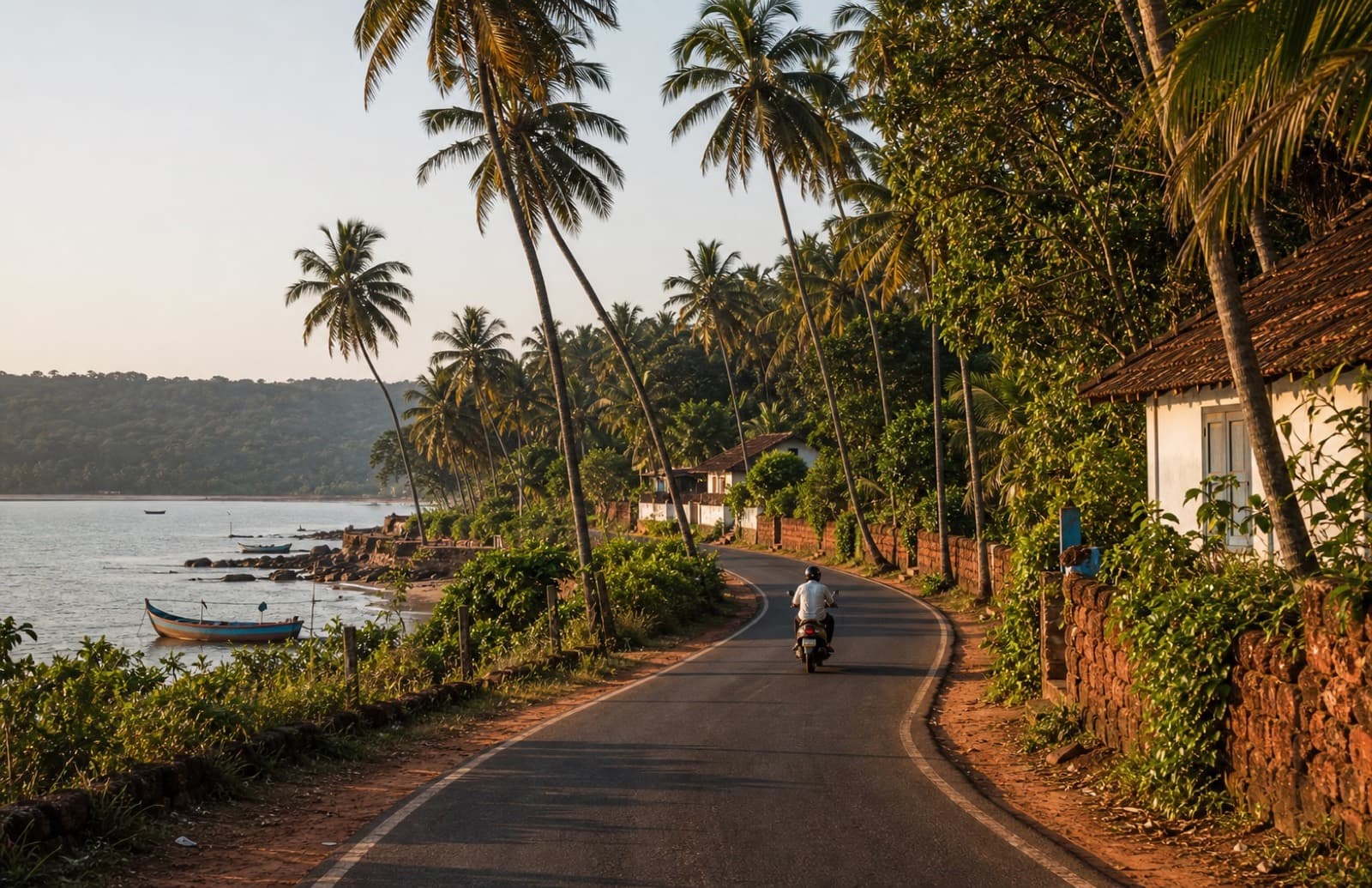
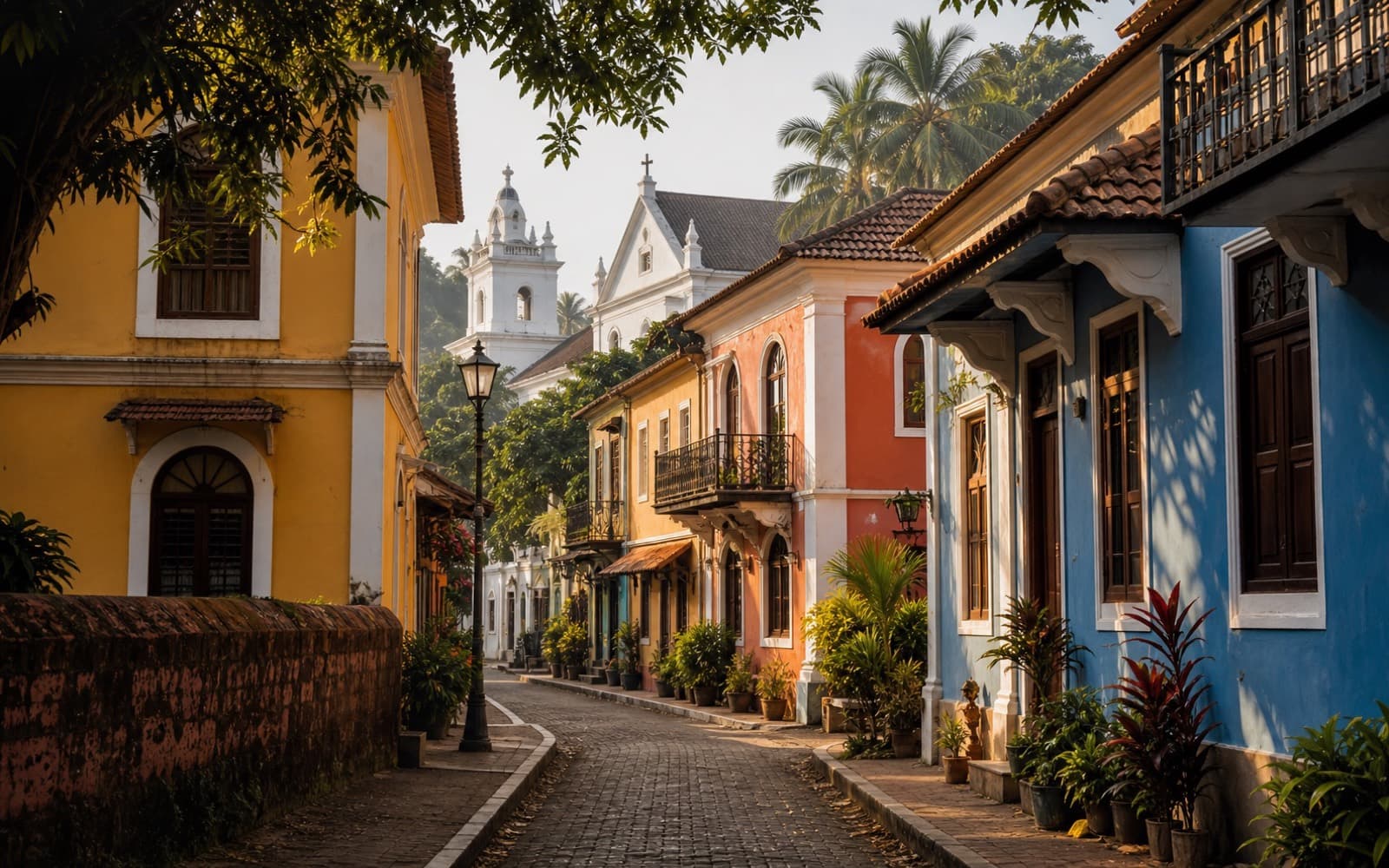
Portuguese churches, red-laterite villages, spice farms in the interior, and a coastline that rewards those who explore beyond the beach-shack strip. Goa is richer for slow travellers than its party reputation suggests.
Old Goa churches
Spice farms
Coastal drives
Plan your trip
Goa at a glance
- Best time
- November to February for dry, comfortable weather and a lively atmosphere. The monsoon (June to September) is lush, quiet, and cheap — many shacks close, but the green interior is at its best.
- How to reach
- Goa Dabolim airport (GOI) has direct flights from most Indian cities; the new Mopa airport (GOX) covers the north. The Konkan Railway connects Goa to Mumbai, Mangaluru, and Kerala.
- Getting around
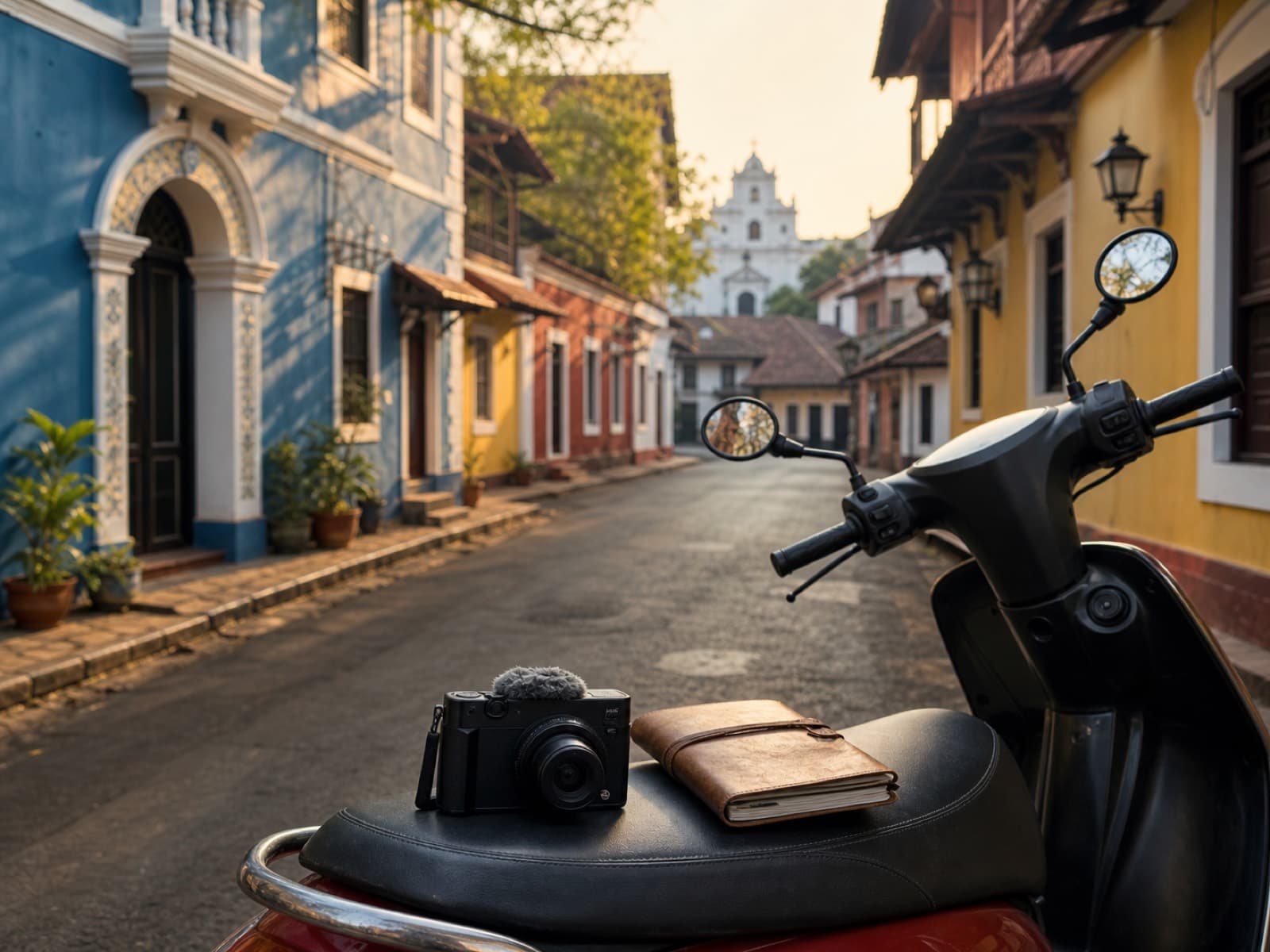
- A two-wheeler — scooter or motorcycle — is the best way to move around Goa. Hire from reputable shops in Panaji or Mapusa; carry your licence. Taxis are metered but costly for short hops.
- Rough budget
- A relaxed week for one runs roughly ₹18,000–35,000 including stays, food, bike hire, and local travel. Budget guesthouses in the north cost ₹800–1,500 per night in season.
Sample itinerary
- Day 1Arrive in Panaji: the Latin Quarter of Fontainhas, the Church of Our Lady of the Immaculate Conception, and a Goan thali dinner.
- Day 2Old Goa — the Basilica of Bom Jesus and Sé Cathedral early morning — then a spice farm near Ponda in the afternoon.
- Day 3Ride the northern beaches — Vagator, Morjim, and Arambol — with a sunset stop on the cliffs above Vagator.
Stories from Goa