First International Trips for Indian Travellers: Where to Begin
A practical shortlist for first-time Indian travellers who want comfort, culture, and manageable planning.
Open guide index
A practical shortlist for first-time Indian travellers who want comfort, culture, and manageable planning.
Choose ease before distance
A first international trip should reduce friction: simpler visas, familiar food options, reliable transport, direct flights where possible, and enough cultural difference to feel expansive.
This sounds obvious until you watch people plan the opposite trip. The first time abroad carries a long list of small unknowns — immigration counters, currency, SIM cards, unfamiliar transport apps, food you cannot read the name of — and every one of them costs a little confidence. A destination that removes half of those unknowns leaves you with attention to spare for the reason you travelled: the place itself.
Thailand, Vietnam, Singapore, Dubai, Sri Lanka, Bali, and parts of Europe can all work, but the right choice depends on budget, travel style, documents, and appetite for uncertainty.
There is no prize for difficulty on trip one. The traveller who starts with Bangkok and comes home confident books the harder trip next year. The traveller who starts with a four-country Europe sprint often comes home exhausted and waits three years to try again.
The shortlist, compared honestly
Nepal is the softest possible start: Indian citizens need only an Aadhaar card or voter ID — no passport, no visa fee — and a week of Kathmandu and Pokhara runs roughly ₹35,000–60,000 per person. It is a real international trip with a fraction of the paperwork, and Himalayan views no city break can match.
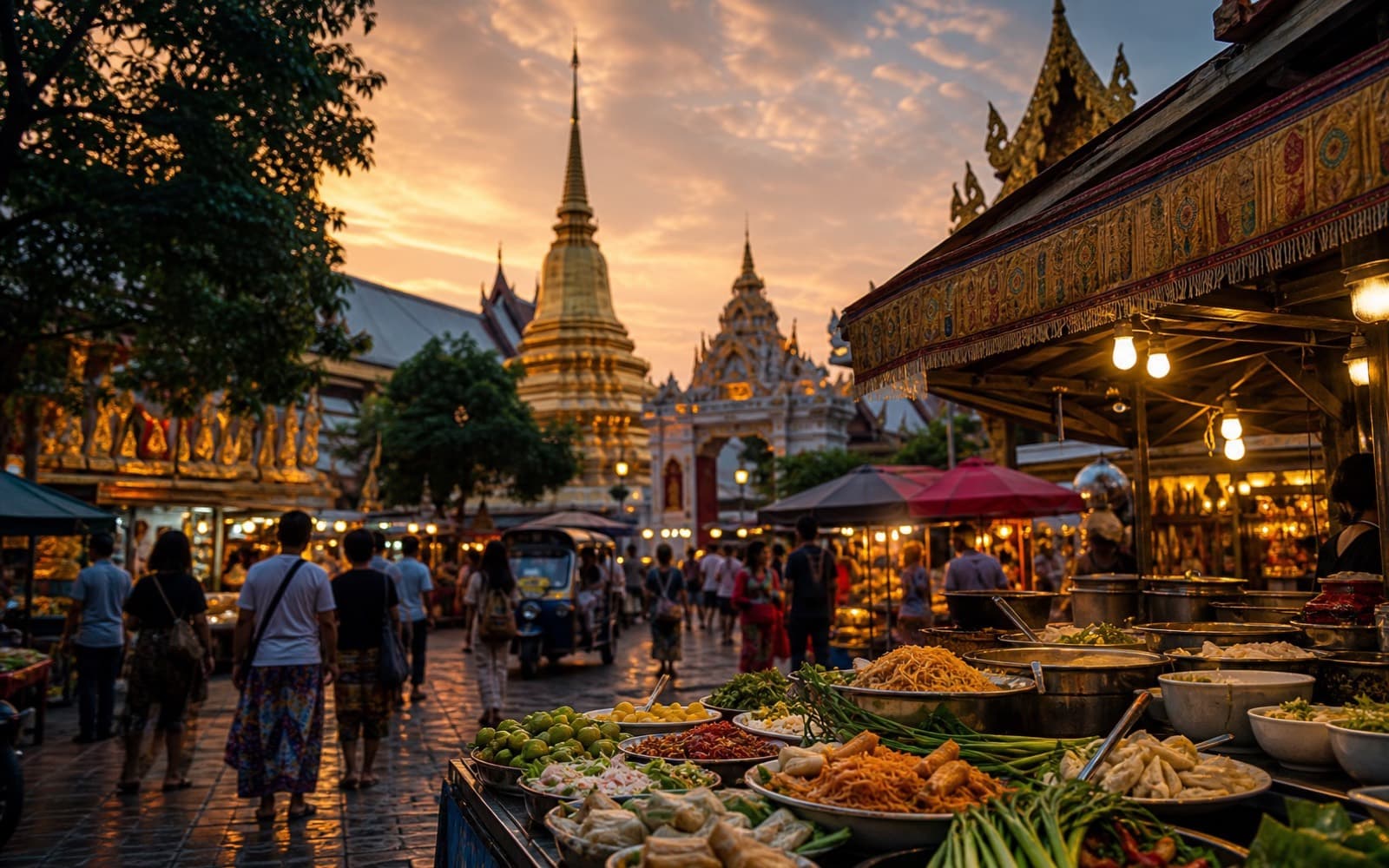
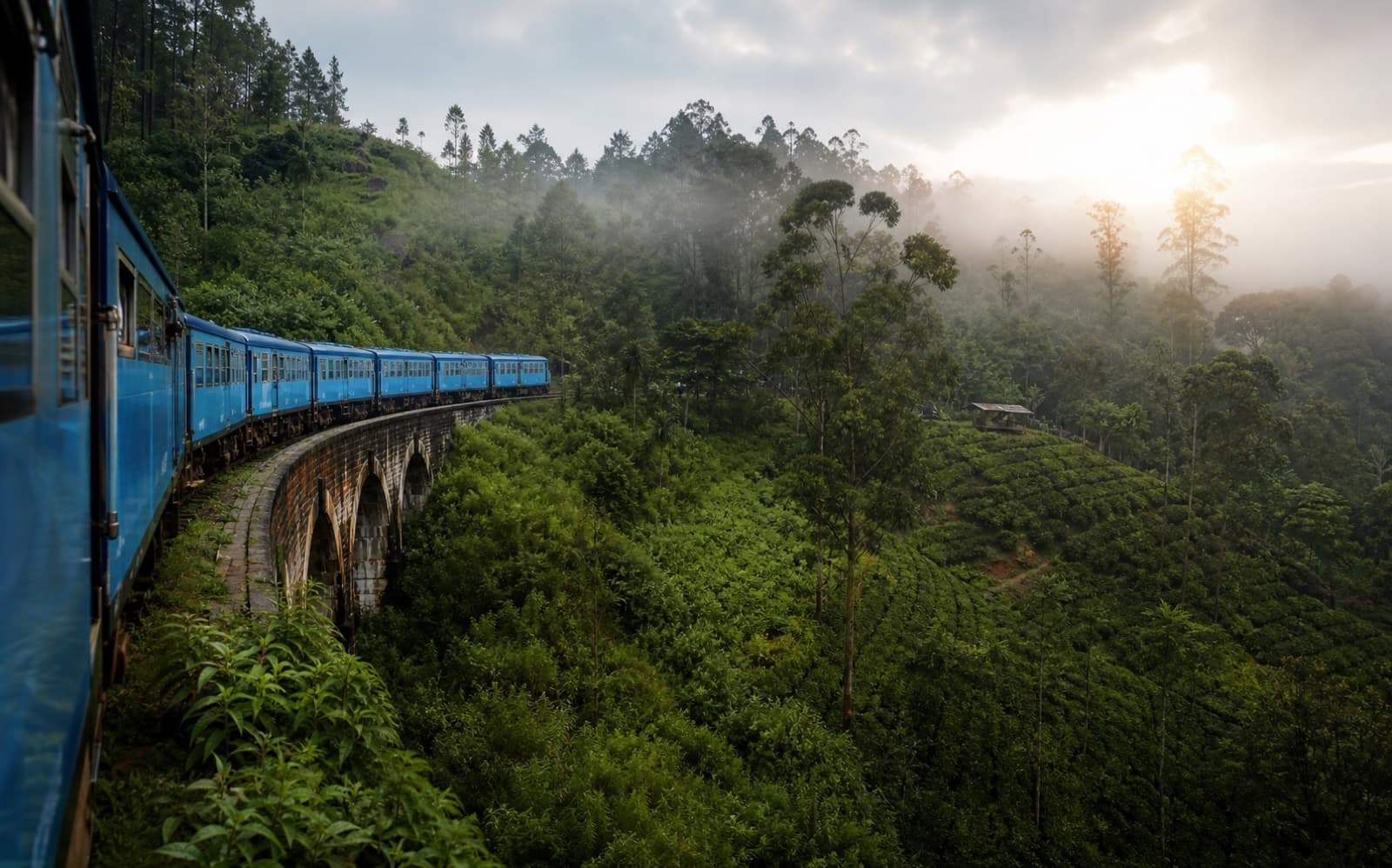
Thailand and Sri Lanka are the classic first flights. Thailand offers visa-on-arrival or e-visa options for Indians, four-to-five-hour direct flights from most metros, and a week at roughly ₹50,000–90,000 per person. Sri Lanka is closer still — under two hours from southern India — with an online ETA and a week at ₹40,000–70,000, plus food that feels half-familiar from the first meal.
Vietnam is the value pick: an e-visa, one-stop or direct flights to Hanoi and Ho Chi Minh City, and a rich week at ₹45,000–80,000. Bali runs ₹55,000–95,000 with visa-on-arrival and suits travellers who want the long-haul feeling without long-haul logistics.
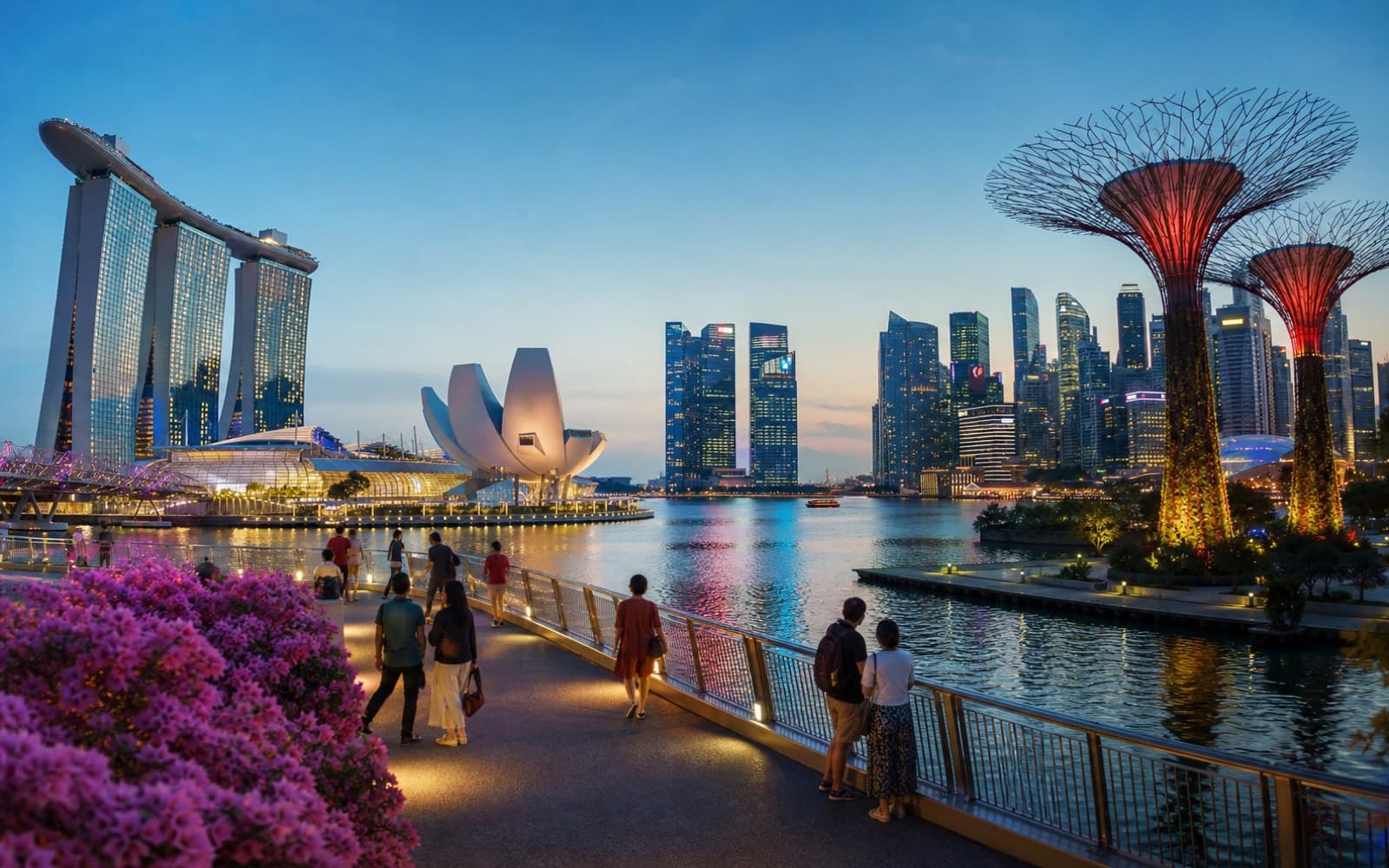
Dubai and Singapore trade spontaneity for polish. Both are short direct flights with immaculate transport and easy Indian food; Dubai's 4–5 day trips run ₹50,000–1,00,000 and Singapore's week runs ₹70,000–1,20,000. Singapore needs a visa arranged in advance, so it rewards planners over improvisers. Always confirm the current visa rule for any of these before booking — processes change without much notice.
What Indian travellers should compare
Compare visa process, flight cost, local transport, vegetarian food access, weather, currency volatility, travel insurance, and how much local planning can be done from India.
Two of these matter more than people expect. Local transport determines how the whole trip feels: Bangkok's BTS, Singapore's MRT, and Grab across Southeast Asia mean you are never stranded, while destinations that depend on negotiated taxis add a small tax of stress to every movement. And vegetarian food access is worth researching specifically, not assuming — Thailand and Vietnam are manageable with a few learned phrases, while Dubai and Singapore are effortless.
Weather is the quiet trip-killer. A November week in Thailand and a June week in Thailand are different products at the same price. Check the season honestly against your dates before falling for a flight deal.
Documents and money, in order
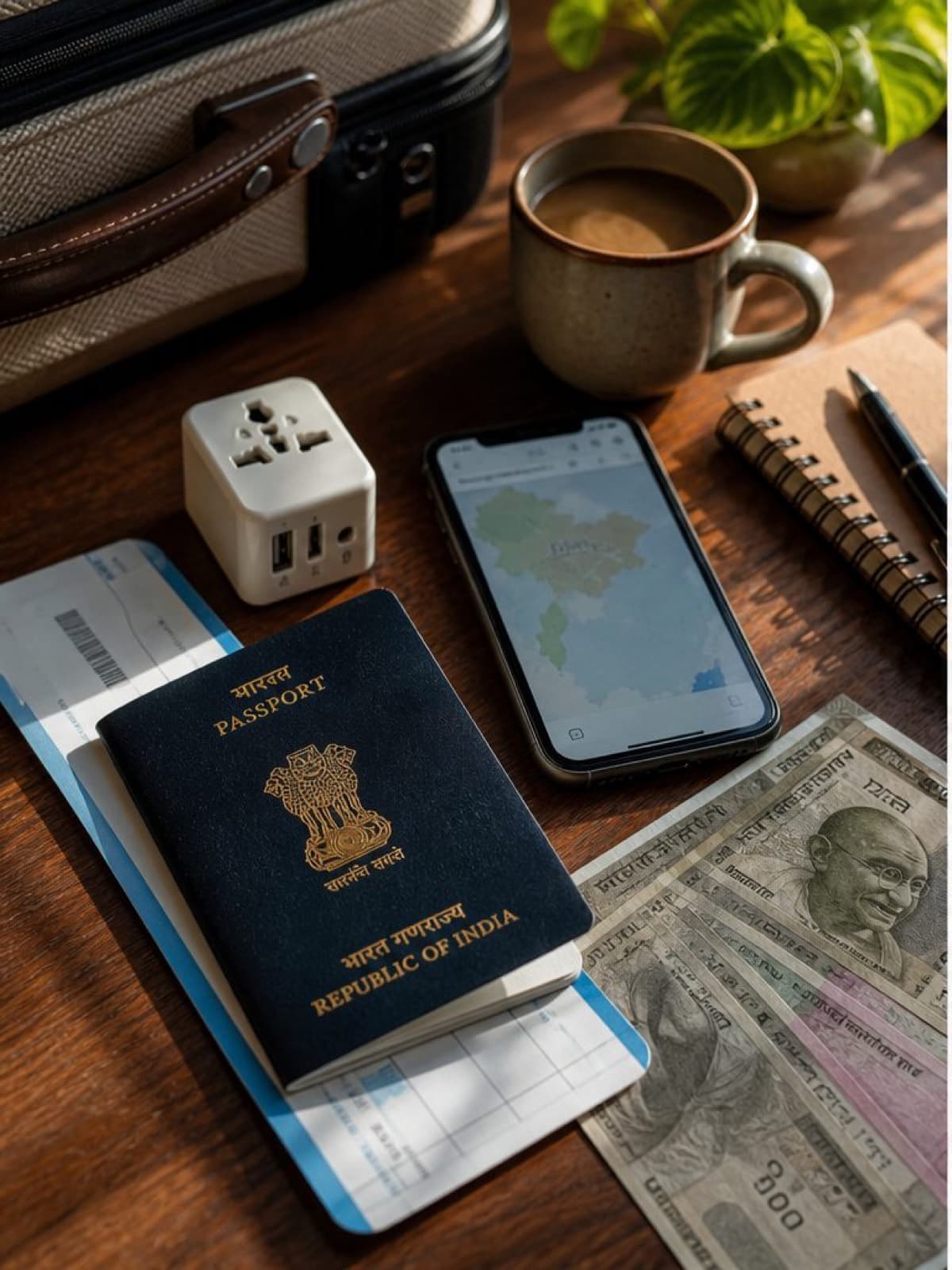
Start with the passport: it needs at least six months of validity beyond your travel dates, and if you do not have one yet, apply before booking anything — normal processing takes weeks, not days. Then the visa or e-visa for your destination, printed and saved offline, along with return tickets and hotel confirmations, which most immigration counters ask first-time travellers to show.
Travel insurance is not optional padding. A basic policy costs a few hundred rupees a day and turns a hospital visit abroad from a financial emergency into an inconvenience. Buy it when you buy the flights.
For money, carry a spread: a forex card or international-enabled debit card as the main source, a modest amount of destination currency exchanged in India for the first day, and one backup card kept separately from the wallet. Tell your bank you are travelling so the first foreign transaction does not trigger a freeze.
A first-day plan beats a perfect itinerary
Arrival anxiety is the sharpest part of a first trip, and it dissolves if the first six hours are decided in advance. Before you fly, know exactly three things: how you will get a SIM or eSIM working at the airport, how you will reach the hotel (airport rail, a prepaid counter, or a ride-hailing pickup point — named, not 'we'll figure it out'), and where your first meal is coming from.
Keep day one deliberately light: check in, eat, walk one neighbourhood, sleep early. The itinerary proper starts on day two, when the country has stopped feeling like an exam.
Plan the first day tightly and the rest loosely. That single asymmetry — certainty at the start, flexibility after — is the difference between a first trip that builds a traveller and one that merely gets survived.
Common questions
Frequently asked questions
Which country is easiest for a first international trip from India?
Thailand and Sri Lanka are the classic starters: short direct flights, simple visa processes for Indians, familiar food options, and forgiving logistics. Nepal is even simpler — Indian citizens need only Aadhaar or voter ID, no passport.
What documents do Indians need for a first international trip?
A passport with at least six months validity, the destination's visa or e-visa approval, return tickets, hotel confirmations, travel insurance, and proof of funds. Keep printed and digital copies of everything — immigration counters ask.
How much should I budget for a first trip abroad?
Roughly ₹40,000–90,000 per person for a week in Southeast Asia or Sri Lanka including flights, mid-range stays, food, and local transport. Singapore and Dubai run higher; Nepal runs lower. Add a 10–15% buffer for currency swings and surprises.