Northeast India: How to Plan a First Trip to the Seven Sisters
Living root bridges, high lakes and slow valleys — a grounded first-trip plan for Northeast India, including permits and seasons.
Open guide index
Living root bridges, high lakes and slow valleys — a grounded first-trip plan for Northeast India, including permits and seasons.
One region, very different states
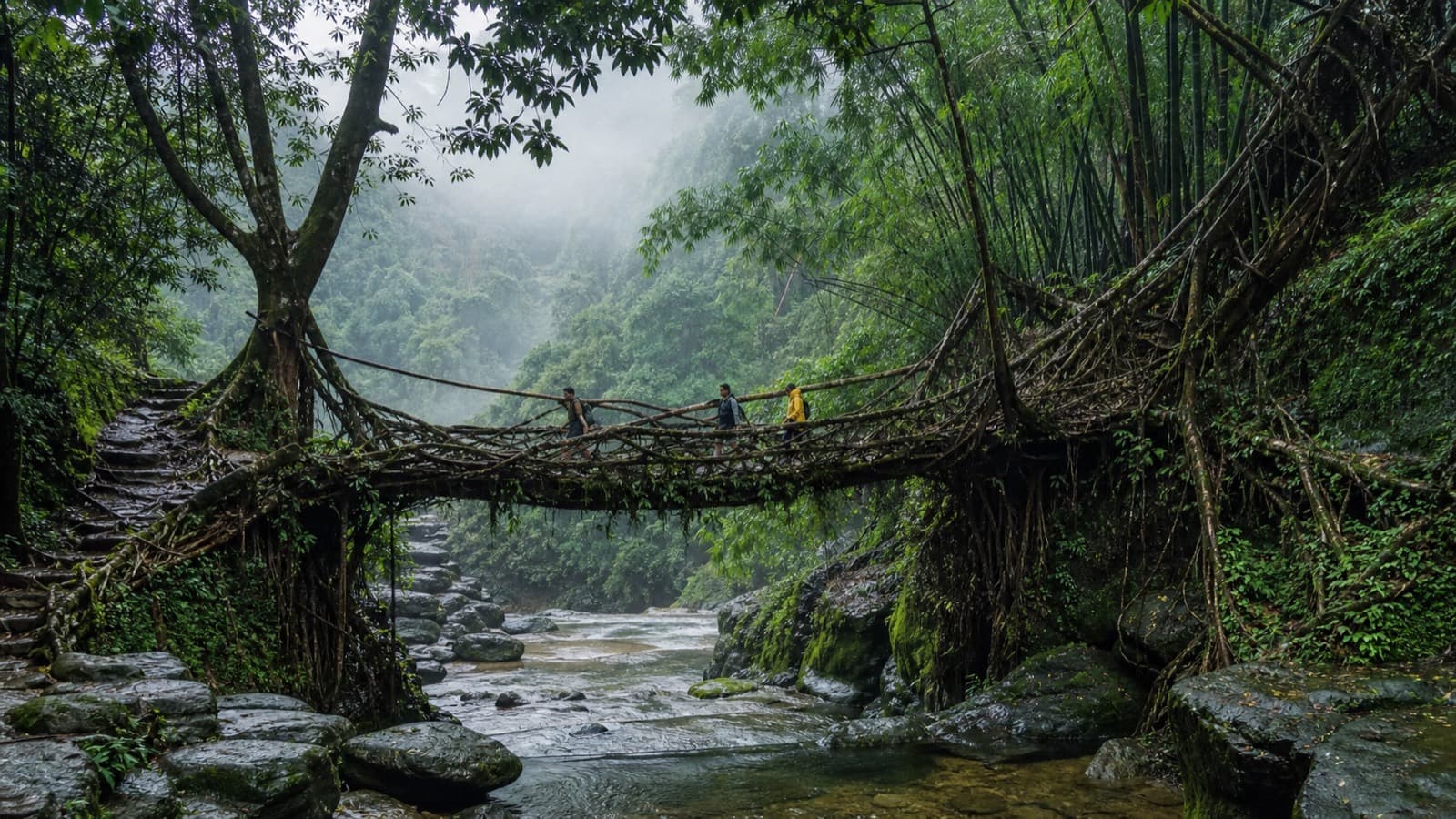
The Northeast is not one place. Meghalaya is waterfalls, caves, and Cherrapunji's famous living root bridges; Assam is the Brahmaputra, tea gardens, and Kaziranga's rhinos; Arunachal is high monasteries and remote valleys; Sikkim, Nagaland, Manipur, Mizoram, and Tripura each have their own pace and culture.
For a first trip, resist the urge to cover everything. Pairing Assam with Meghalaya, or basing a slower loop around Sikkim and the Darjeeling hills, gives you depth instead of a blur of overnight drives.
Permits and paperwork
Some states require an Inner Line Permit (ILP) for Indian travellers — Arunachal Pradesh, Nagaland, Mizoram, and Manipur among them — while certain border areas need additional Protected Area Permits. Rules change, so confirm the current requirement for your specific destination before you book.
ILPs can often be applied for online or on arrival, but carry printed copies and your ID. Building a buffer day into your plan for paperwork and slow mountain roads will save you a lot of stress.
When to go and a realistic first route
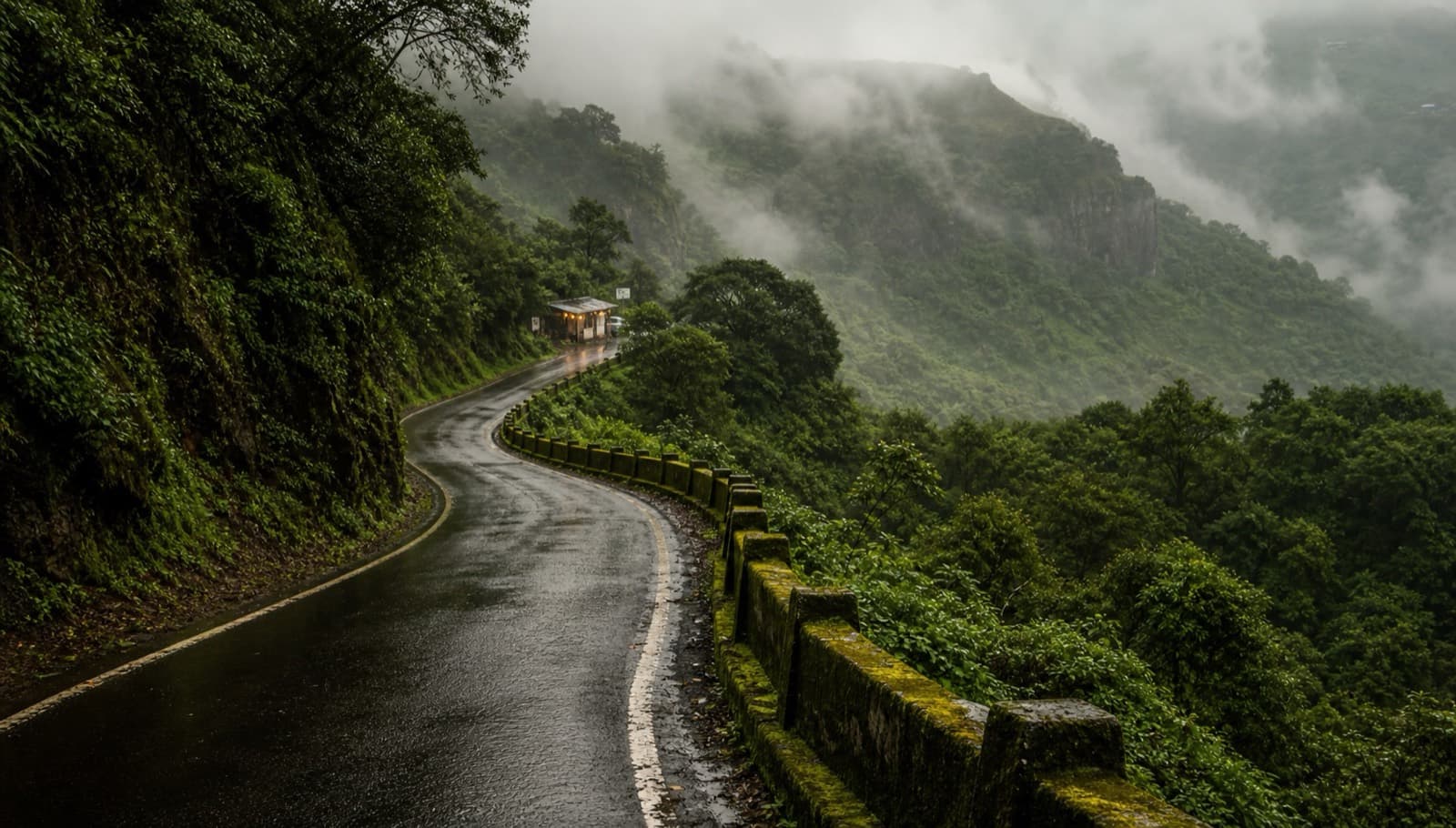
October to April is generally the most settled season, with clear skies and easier roads; the monsoon is lush but brings landslides, especially in Meghalaya and the hills. Spring adds rhododendrons and festivals in several states.
A grounded first route: land in Guwahati, give Kaziranga a couple of days, then climb to Shillong and Cherrapunji for the root bridges and canyons. Travel by shared Sumo or a hired cab, eat local, and let the region's slowness set your pace rather than fighting it.