Kerala · Culture · 5 min read
Theyyam every day: the Muthappan temple at Parassinikkadavu
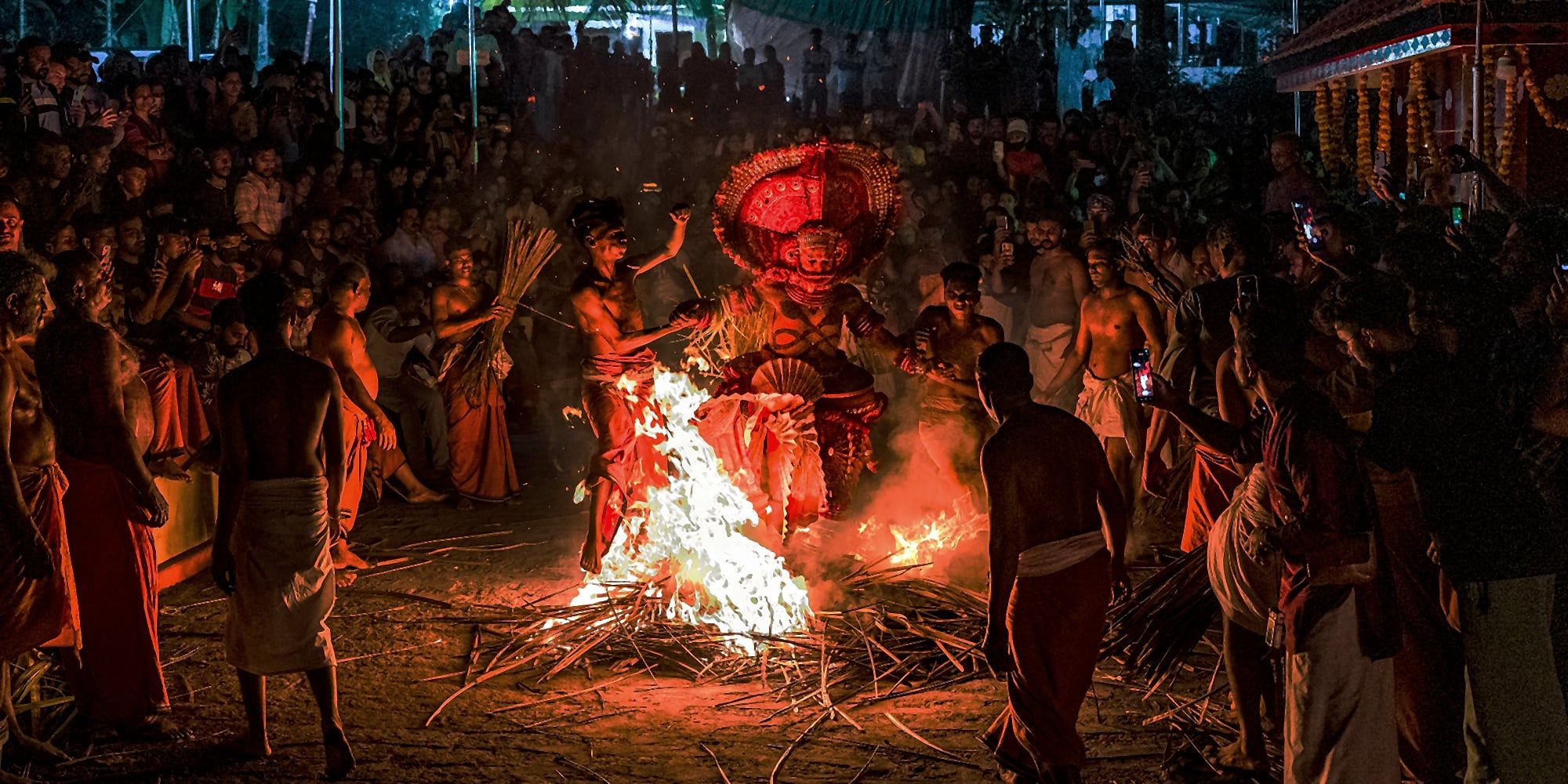
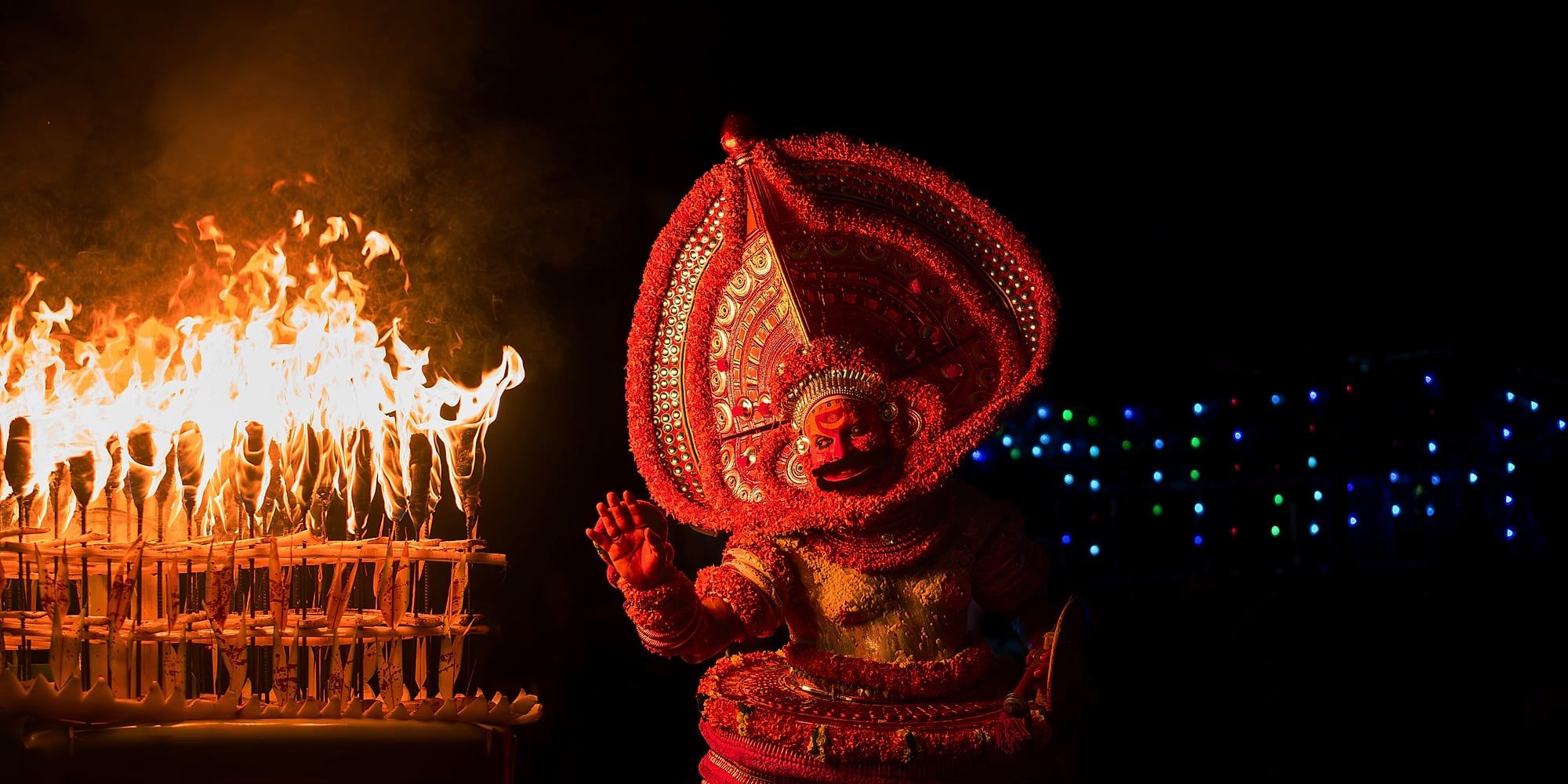
Almost all Theyyam follows the shrine calendar. At the Muthappan temple on the Valapattanam river, it is part of every day.
Theyyam has a season. Kerala Tourism puts it from the 10th of the Malayalam month Thulam, around late October, to mid-Edavam, around the end of May, and each performance is tied to a particular shrine’s calendar. Parassinikkadavu is the exception. Kerala Tourism says Theyyam is performed here every day as the main form of worship.
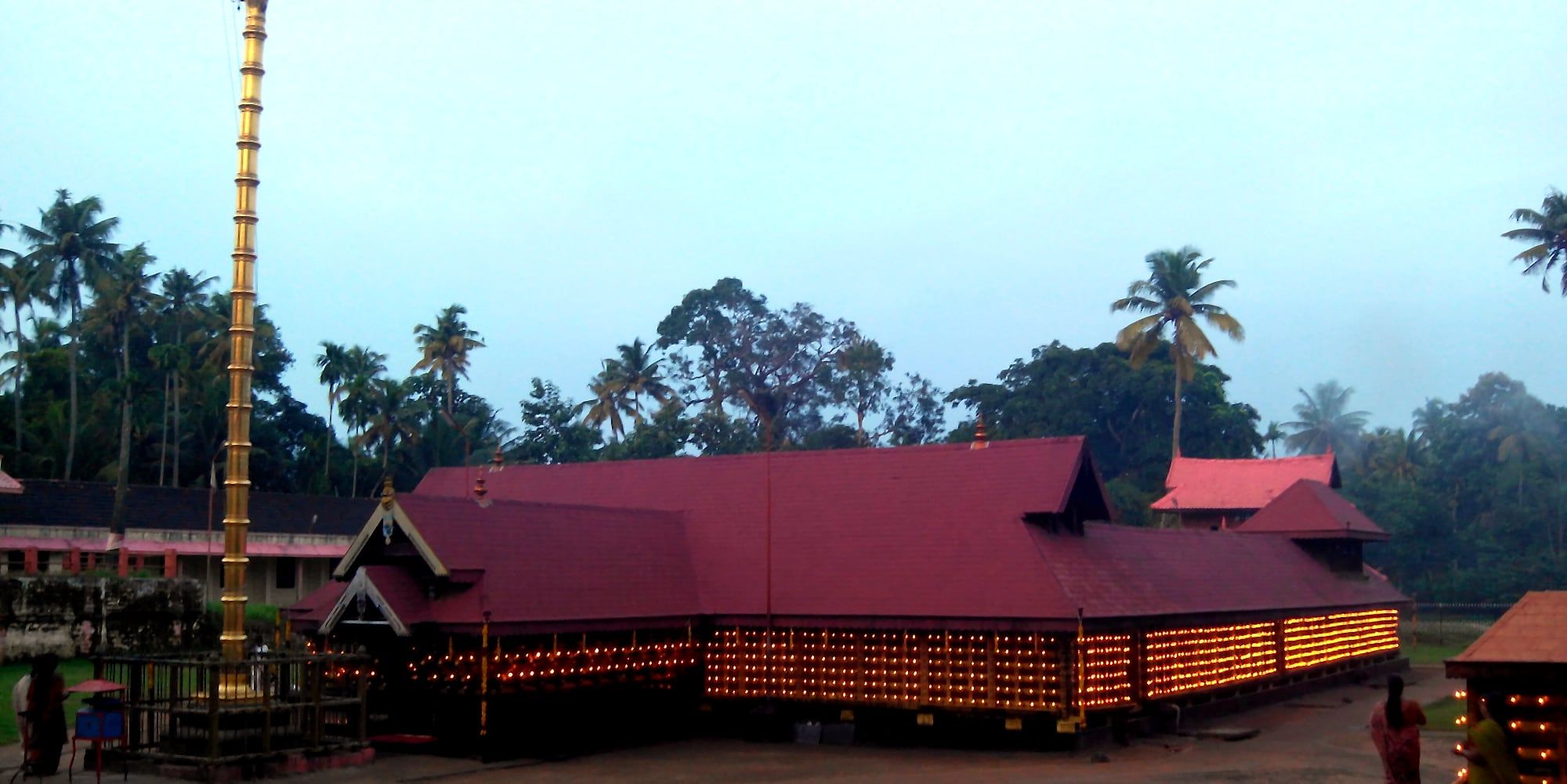
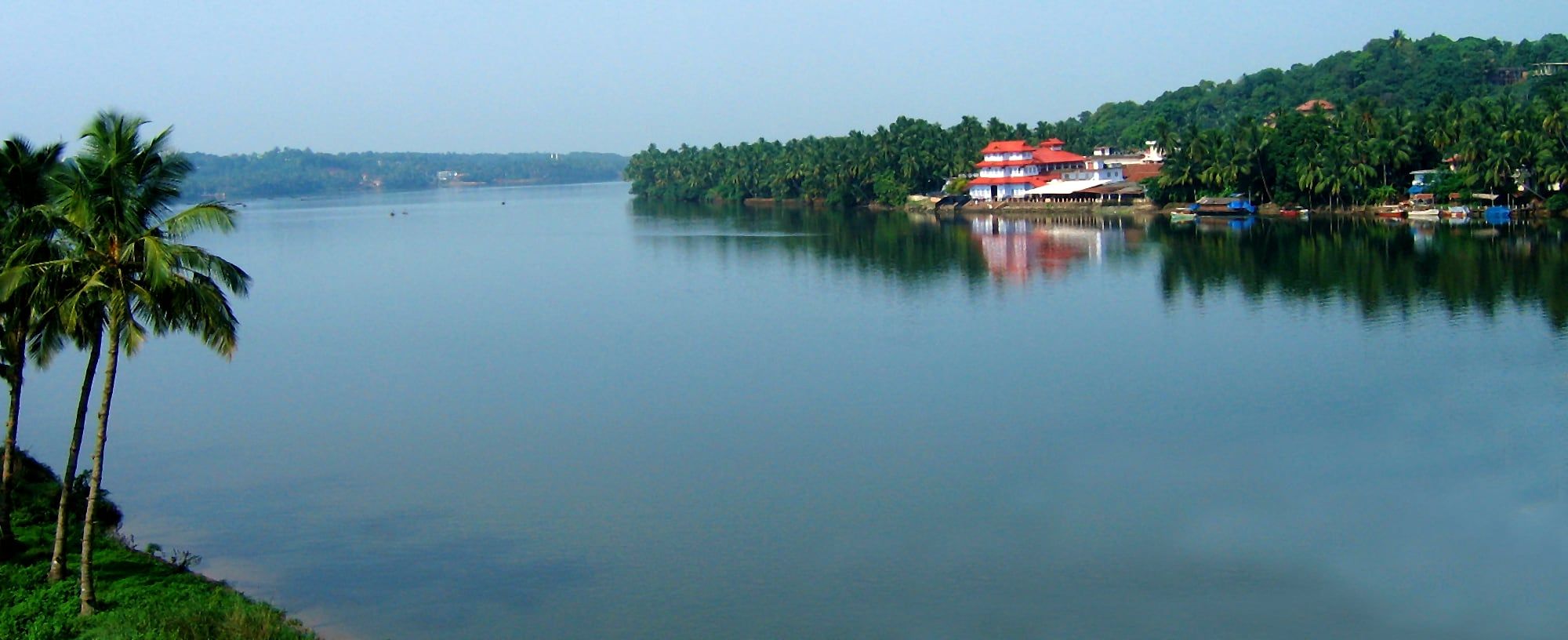
The temple, locally called Parassini Madapura, stands on the banks of the Valapattanam River in Kannur district. It is a white three-storey building, and Kerala Tourism notes that it looks different from traditional temple architecture.
Who is worshipped, and who performs
The deity is Muthappan, regarded as a combined form of Thiruvappana, linked with Vishnu, and Vellattom, linked with Shiva. In the folklore Kerala Tourism retells, Muthappan first appeared as a boy with a craving for dried fish, toddy and meat, was driven out of his family, and was later revealed as divine.
Members of the Vannan community perform the Theyyam, and members of the Thiyya community conduct the pujas and rituals. Devotees bring their prayers to the performer, who is believed to answer as the deity. Incredible India describes two parts to the day: vellattam, an early-morning offering, and thiruvappana, a fully dressed performance later in the day.
Dogs, tea and black gram
Dogs are sacred here because Muthappan is said to be accompanied by one. Stray dogs are common in the compound and are treated with respect, and each day’s prasadam is first served to a dog waiting in the complex, then to the devotees. Give them room and do not chase them off.
The usual prasadam is boiled black gram and tea. Fish and toddy are customary offerings, and Kerala Tourism says they are distributed to those present afterwards. If that is not for you, you can decline politely.
Visiting well
Incredible India lists the temple as open from 5:00 am to 12:00 noon and from 5:00 pm to 8:30 pm. Treat that as a guide and confirm with the temple.
Neither official page says anything about a dress code or photography. Until you know, dress modestly, keep your phone down, and ask before you photograph the performer or the devotees. Everything in our field guide applies: this is a working place of worship, and the Theyyam is not a show laid on for you.
Kerala Tourism suggests the first week of December, when the Puthari Thiruvappana harvest festival takes place, and says the temple provides free food and accommodation to those attending it. Dates follow the temple’s calendar, so check before you plan around them.
More on Theyyam
- How to watch a Theyyam with respect: where to stand, what to wear and when the camera goes down.
- What Theyyam is: the ritual, the season and how it is tied to the shrines.
- Theyyam night in Kannur, the film: the rhythm of a night at the kavu, and filming etiquette.
- Theyyam visitor etiquette card: the rules on one page.
- Kerala and Theyyam: the season calendar, the data and every Kerala story.
What we could not confirm
We have not found current opening hours beyond the tourism listing, any dress code, any rule on photography, or how busy the temple is on weekends and festival days. Call or ask at the temple office before you go.
How we researched this
This guide is compiled from Kerala Tourism and Incredible India. Soul Sanchari has not visited for this piece. If you have been, or you look after the temple, tell us what we have wrong.
Planning tools for this trip
- Theyyam visitor etiquette card: Where to stand, what to wear and when to put the camera down.
Questions readers ask
Is Theyyam really performed every day at Parassinikkadavu?
Yes. Kerala Tourism says Theyyam is performed daily at the Muthappan temple as the main form of worship, while elsewhere it is usually seasonal.
Can visitors of any religion go in?
Kerala Tourism says visitors of any faith or caste are welcome and there are no restrictions on who may visit or seek blessings.
What are the timings?
Incredible India lists 5:00 am to 12:00 noon and 5:00 pm to 8:30 pm. Timings can change, so confirm with the temple before you travel.
Sources
Corrections
No corrections so far. If something is wrong, tell us below and we will fix it here with a dated note.
Help us get it right