Meditation · Field guide · 8 min read
Silent Retreats in India: What to Expect and Who Should Skip Them
How silent retreats work in India, how to prepare, what the days feel like and the people who should talk to a professional first.
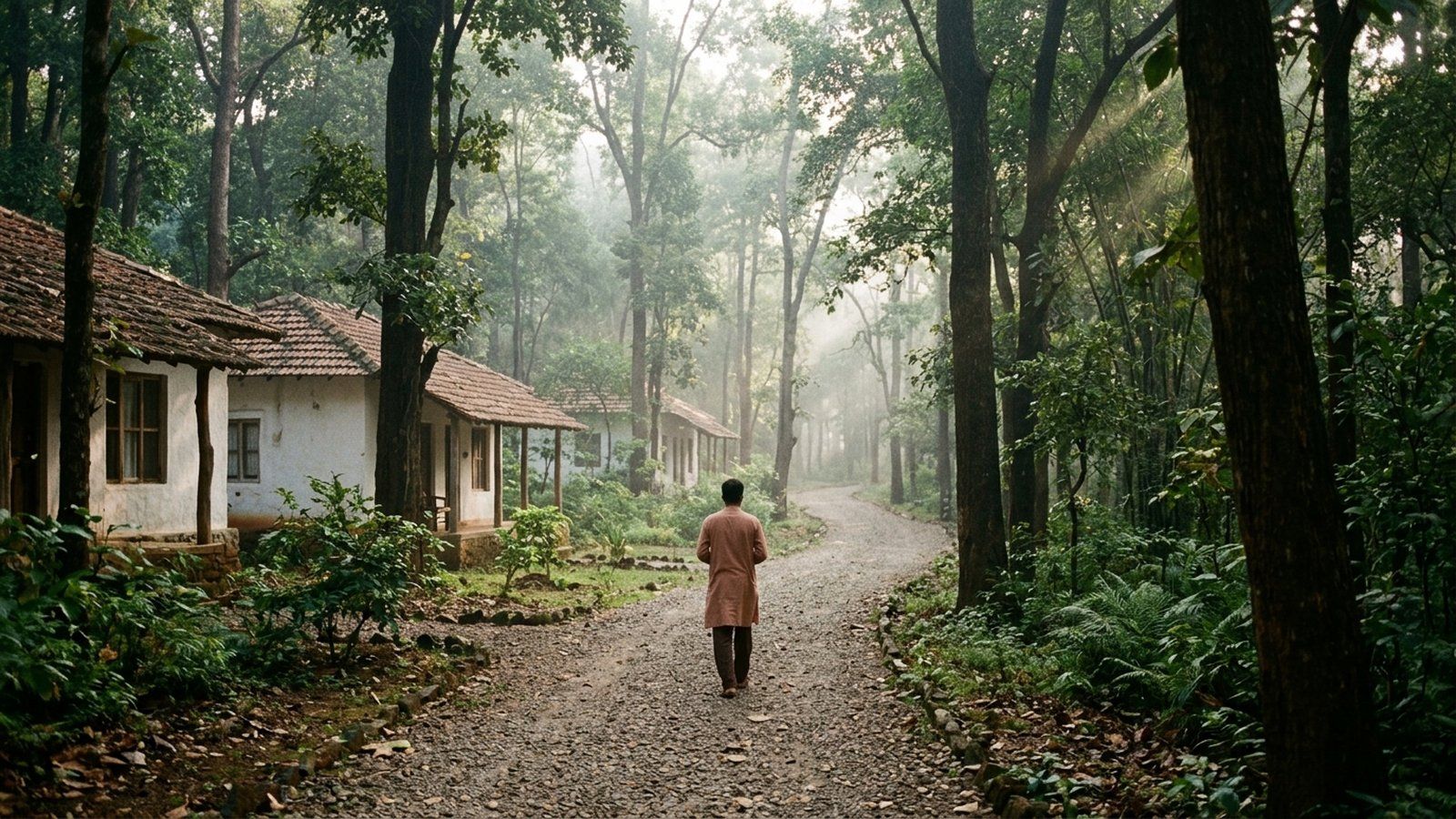
A silent retreat is a period, usually from three to ten days, when you do not speak to the other participants and you hand in your phone so that meditation can deepen. In India the best-known format is the 10-day Vipassana course, with 9 full days of silence. Beginners should start with a shorter retreat, build a daily habit first and be honest about their health.
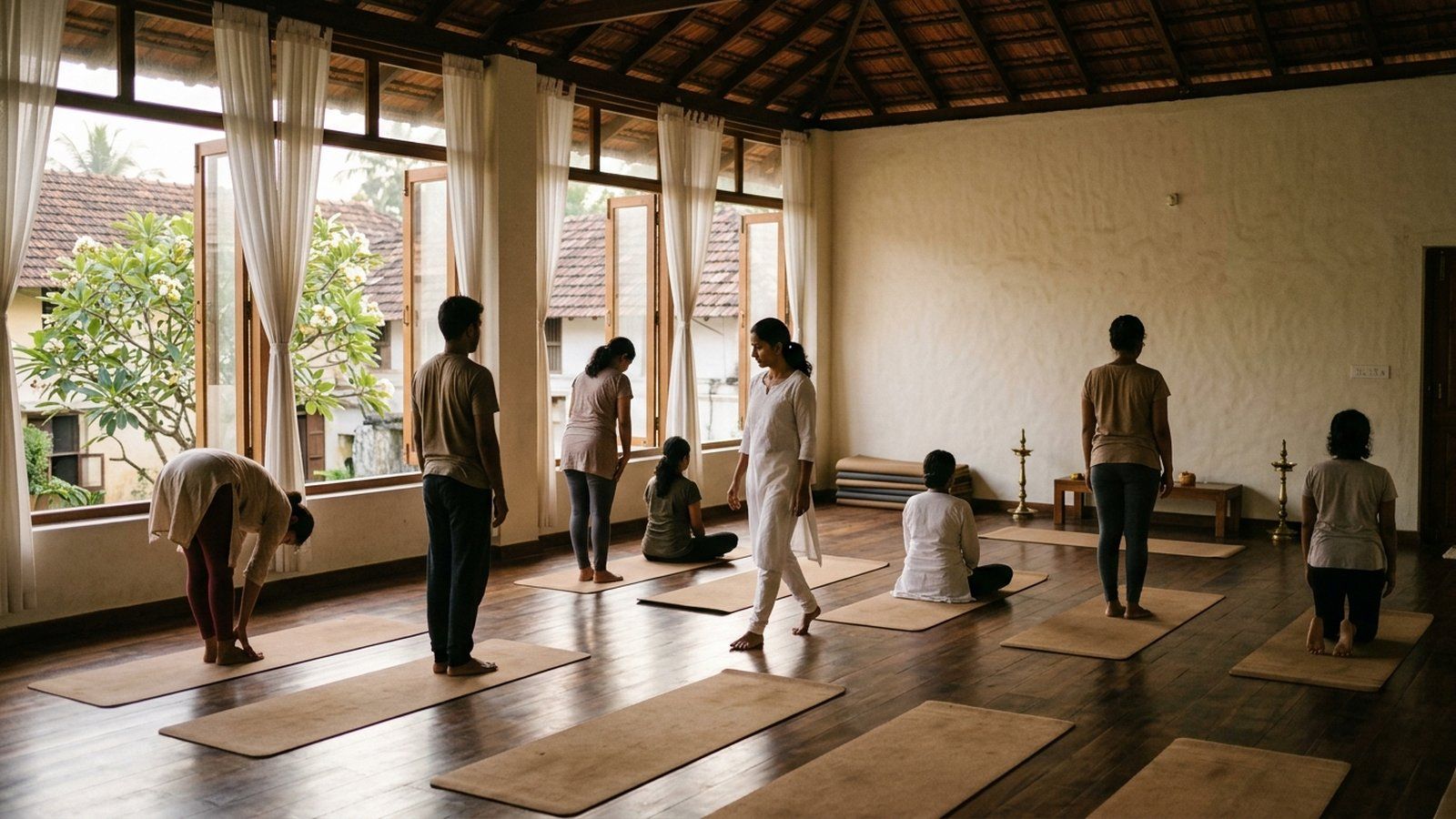
India has silent retreats in several traditions: Vipassana courses in the Goenka tradition, Tibetan Buddhist retreats in the Himalayan foothills, and silent weeks at yoga ashrams. They share a format. The routine is strict, the days are long and the room is quiet.
What actually happens?
On arrival you register, hand in your phone and valuables and agree to the rules. At a Goenka-tradition course those include no speaking, no reading and writing and no contact with the outside world. The days begin early, with the bell at 4:00 a.m. on a standard 10-day course, and run to 9:00 p.m., with about 10 hours of meditation between meals and rest. Details of that format are in what is Vipassana.
What do the days feel like?
People describe a pattern, though everyone’s experience differs.
- The first days are often restless. Boredom, sleepiness, aching knees and a noisy mind are common.
- The middle days can bring more physical discomfort and strong emotions, or a calmer stretch.
- The last days often feel lighter, and for many the return of speech is a relief.
Nobody can promise a particular experience, and some people find the whole thing hard from start to finish.
How do you prepare?
- Practise first. Sit for ten to twenty minutes a day for several weeks before you go. Meditating for the first time for ten hours a day is a shock.
- Cut caffeine and screens in the week before.
- Get used to sitting on the floor, with cushions if you need them, or ask whether chairs are allowed.
- Tell someone where you will be and arrange for others to handle emergencies. Phones are generally not available.
- Read the rules and the schedule and ask about anything that worries you.
Who should skip it, or talk to a professional first?
Silent retreats take away the distractions most of us use to avoid hard feelings, so they can bring them up. Centres themselves warn about this, and ask applicants about their health. You should speak to a doctor or therapist before applying, and be honest on the form, if any of these applies:
- you have a history of serious mental illness, psychosis or severe depression
- you have experienced significant trauma
- you are in a crisis or have recently been bereaved
- you have panic attacks or a serious anxiety disorder
- you have a medical condition that makes long sitting or fasting-like routines risky
None of this is a ban. It is a reason to take advice and pick a format and a centre that can support you. For a broader look, read mental health and retreats.
What does the research say?
Most of the research on meditation is about eight-week programmes, not ten-day retreats. A major review of 47 trials found moderate evidence of small to moderate benefit for anxiety, depression and pain, and no evidence that meditation was better than other active treatments. See what the research says. In other words, a silent retreat is a worthwhile experience for many people, but not a proven treatment.
What do they cost?
Prices vary by tradition. Goenka-tradition courses charge no fee and rely on donations from past students. Other retreats and ashram programmes charge a daily rate. Ask what is included and what the cancellation policy is.
What should you pack?
- Loose, comfortable clothes that cover shoulders and knees
- Warm layers and a shawl, because halls can be cold in the early morning
- Slip-on shoes or sandals
- Toiletries and any prescription medicines
- A small torch, a water bottle and earplugs if allowed
- Cushions only if the centre says you may bring your own
Check the retreat’s own list first. For longer ashram stays, our packing and etiquette guide goes further.
After the retreat
Leave a couple of days before returning to work or crowds, if you can. Many people find the first days back noisy. Keep a short daily practice going, because the habit is what lasts. If strong feelings persist, talk to someone you trust or a professional.
Questions readers ask
What is a silent retreat?
A retreat where participants do not talk to each other for all or most of the programme. Teachers and organisers can usually be spoken to about practical matters. The aim is to reduce distraction so meditation can deepen.
How long is a first silent retreat?
A weekend or three days is a sensible first step. Ten-day courses are the best known in India, but they are demanding, and doing shorter retreats first helps you judge whether you suit the format.
Can I leave if I find it too hard?
Rules vary. Some courses ask students to commit to staying for the whole programme, so read the terms. If you are struggling, talk to the teacher before deciding to leave.
What should I bring?
Loose clothes, warm layers, a shawl, sturdy sandals or slip-on shoes, toiletries, any medicines and a small torch. Check the centre's list, because many ban books, notebooks and electronics.
Sources
Corrections
No corrections so far. If something is wrong, tell us below and we will fix it here with a dated note.
Help us get it right